
Alcohol poisoning is a serious—and sometimes deadly—consequence of drinking too much alcohol in a short period of time. Seizures are a severe and urgent symptom of alcohol poisoning, triggered by the brain’s inability to regulate electrical activity due to toxic alcohol levels. These seizures can range from mild convulsions to full-body tremors and may last from a few seconds to several minutes.
Meth’s Effects on the Body
Start by drinking water or electrolyte-rich beverages like sports drinks or coconut water. Aim for 16–20 ounces of fluid per hour, but avoid overhydration, which can dilute electrolytes. Consuming foods high in potassium (bananas, spinach) and sodium (broth, crackers) can help restore balance.
How much do you have to drink to get alcohol poisoning?
If your pet just recently ate the dough and isn't showing any what does alcohol poisoning look like symptoms yet, your veterinarian may try to induce vomiting to remove it from the stomach. As you can imagine, bread dough is so gummy and sticky that it is hard to vomit up. Breathing in smoke during a fire also can cause carbon monoxide poisoning.
Licenced & Certified by the State Department of Health Care Services
Skin issues also become common—meth users often scratch obsessively, creating sores and infections, while alcohol slows the body’s ability to heal. Over time, combining meth and alcohol takes a serious toll on both the mind and body. The brain experiences cognitive decline, memory loss, difficulty concentrating, and extreme mood swings. Anxiety and depression often become long-term struggles, and in severe cases, paranoia and hallucinations can https://ecosoberhouse.com/ develop into full-blown psychosis. The damage to brain function makes it harder for people to experience pleasure naturally, increasing their dependence on substances just to feel normal. Immediately after ingestion, the combination of meth and alcohol puts the body under extreme stress.
- Time is of the essence, and emergency responders are equipped to intervene before irreversible harm occurs.
- Immediate medical care is critical to reduce the duration and severity of poisoning.
If you think that someone you’re with may be experiencing alcohol poisoning, it’s crucial to take immediate action. For most people, a single episode of excessive drinking can potentially lead to alcohol poisoning. This might include consuming several pints of beer, glasses of wine or multiple shots of spirits in a matter of hours. Here, we explore alcohol poisoning in detail, shedding light on this often-misunderstood aspect of excessive alcohol consumption.
- Respiratory failure is another critical complication, occurring when alcohol suppresses the brain’s respiratory control center.
- Prompt recognition and action can save lives, especially in high-risk groups such as young adults and those with pre-existing health conditions.
Alcohol is a depressant which slows down your brain’s functions and affects your sense of balance. There is no minimum amount of alcohol that could cause alcohol poisoning. This guide explains the causes, signs and symptoms, what you can do to stay safe, and how you can help others. By recognizing typical timelines and knowing what influences them you’ll be better prepared should you ever face this dangerous situation firsthand or among loved ones.
If you or someone you know is struggling with alcohol, reach out for help. Talk to a healthcare professional, join a support group, or explore resources like Stop Drinking for guidance and encouragement. Recognizing the signs of alcohol poisoning could save a life, whether it’s your own or someone else’s. Alcohol use and taking opioids or sedative hypnotics, such as sleep and anti-anxiety medications, can increase your risk of an overdose. Examples of these medications include sleep aids, such as zolpidem and eszopiclone, and benzodiazepines, such as diazepam and alprazolam. Even drinking alcohol while taking over-the-counter antihistamines can be dangerous.
What Happens When You Mix Vyvanse and Alcohol? Health Consequences and Warning Signs
- If your pattern of drinking results in repeated significant distress and problems functioning in your daily life, you likely have alcohol use disorder.
- Symptoms like severe confusion, seizures, slowed breathing (fewer than eight breaths per minute), or unconsciousness with inability to wake are red flags signaling immediate danger.
A tube is inserted into the stomach to wash out its contents, reducing further alcohol absorption. However, this procedure is invasive and carries risks, such as aspiration pneumonia. It is typically reserved for life-threatening situations and is not a standard treatment for alcohol poisoning. Alcohol depresses the central nervous system, and unconsciousness is a significant risk.
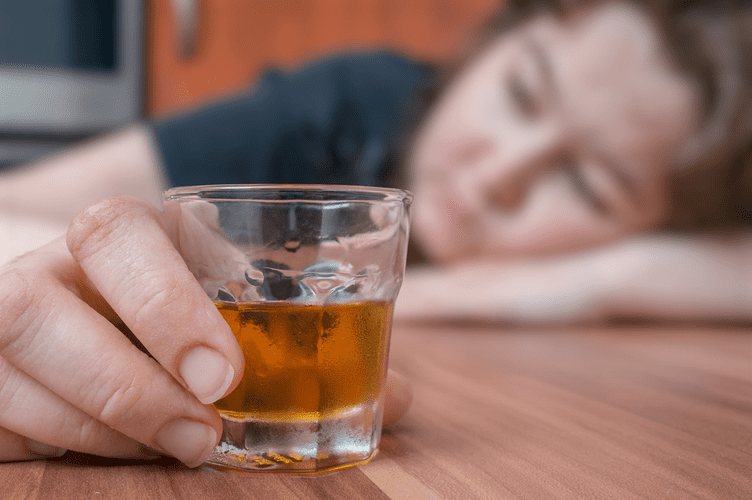
Seizures can occur at BAC levels as low as 0.20% in severe cases, especially in individuals with no prior tolerance. Unlike epilepsy-related seizures, these are directly linked to alcohol toxicity and require urgent medical intervention to prevent brain damage or respiratory failure. In conclusion, understanding BAC thresholds is a critical tool for preventing alcohol poisoning. While 0.08% is a common legal benchmark, the danger zone begins at 0.16% and escalates rapidly.
But as you continue to drink, you become drowsy and have less control over your actions. During the recovery period, a person may experience a depressed mood and appetite, discomfort, and memory problems. Even after a person is released from hospital care, it can take up to a month for them to feel normal again. But if a person drinks very quickly, they can get to this stage before long. People in this stage of intoxication are very likely to forget things happening around or to them.
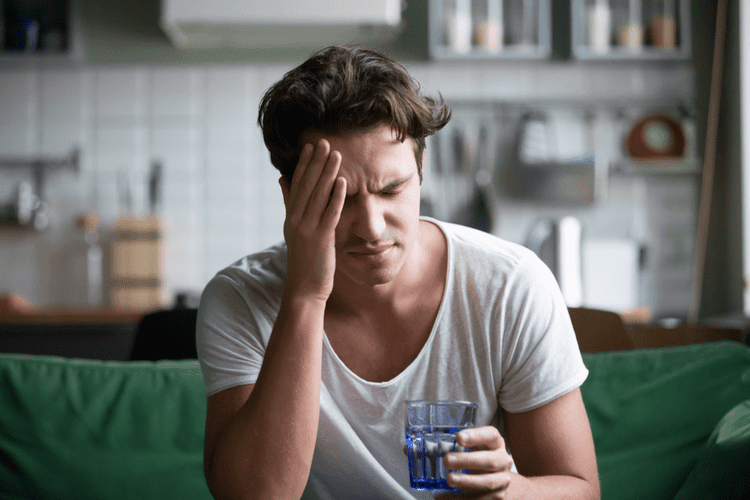
It can lead to choking on vomit, severe dehydration, brain damage, hypothermia, irregular heartbeat, and even death if not treated promptly. Alcohol depresses the central nervous system, impairing the brain’s ability to regulate breathing. In severe poisoning, patients may experience slowed or irregular breathing, or even stop breathing altogether. Oxygen therapy, delivered via nasal cannula or mask, ensures adequate oxygenation and prevents hypoxia, a condition Sober living home where tissues are starved of oxygen. In extreme cases, intubation and mechanical ventilation may be required to maintain airway patency.
Mixing alcohol with other substances—whether prescription drugs, illegal drugs, or even energy drinks—amplifies its effects and dangers. For instance, combining alcohol with opioids or benzodiazepines can depress the central nervous system, leading to respiratory failure. Energy drinks, often used to mask intoxication, can trick you into drinking more than your body can handle. Always disclose your alcohol use to healthcare providers and avoid self-medicating.
